SIPs vs Traditional Stick Framing: Which Is Better?
SIPs vs Traditional Stick Framing: Which Is Better?
SIPs vs Traditional Stick Framing: Which Is Better for Building in Montana?
When planning a custom home, one of the biggest decisions you’ll make is how it’s built. For decades, traditional stick framing has been the standard in residential construction—but more homeowners are now exploring Structural Insulated Panels (SIPs) as a smarter, more energy-efficient alternative.
So which is better?
At Tamarack Construction, we’ve worked with both methods and have seen firsthand how each performs. While both can create a quality home, the right choice often depends on your goals, budget, and how important energy efficiency, durability, and long-term performance are to you.
If you’re building in Montana, those factors matter even more.
What Is Traditional Stick Framing?
Stick framing is the most common building method used in residential construction. It’s built on-site using individual lumber pieces to create the wall and roof systems.
This method has been around for generations and offers flexibility during the build process.
Advantages of stick framing include:
- Widely available materials
- Familiarity among most builders
- Easier on-site modifications
- Lower upfront material costs in some cases
But stick framing also creates more joints, seams, and gaps—areas where air can leak and insulation performance can drop.
What Are Structural Insulated Panels (SIPs)?
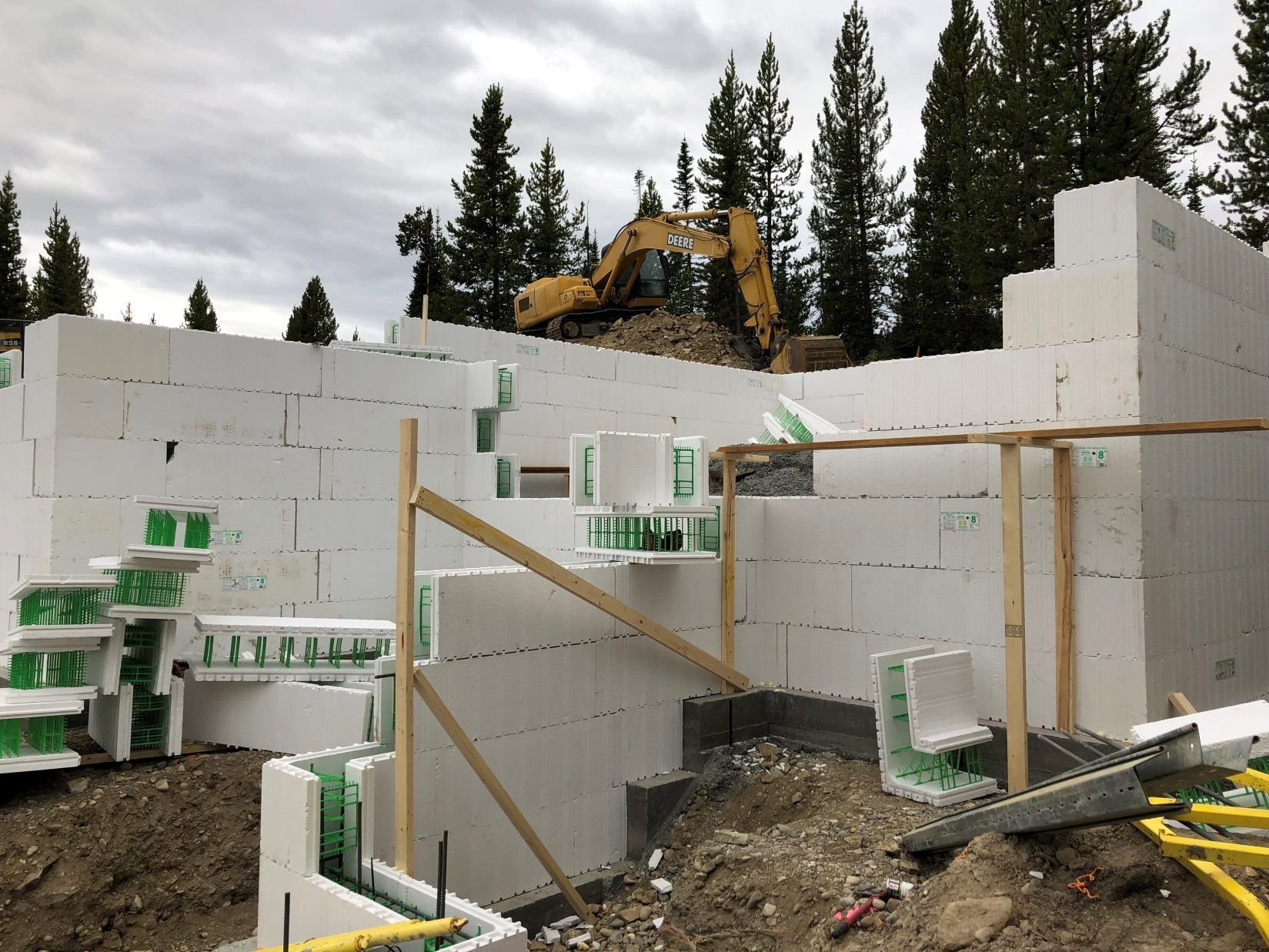
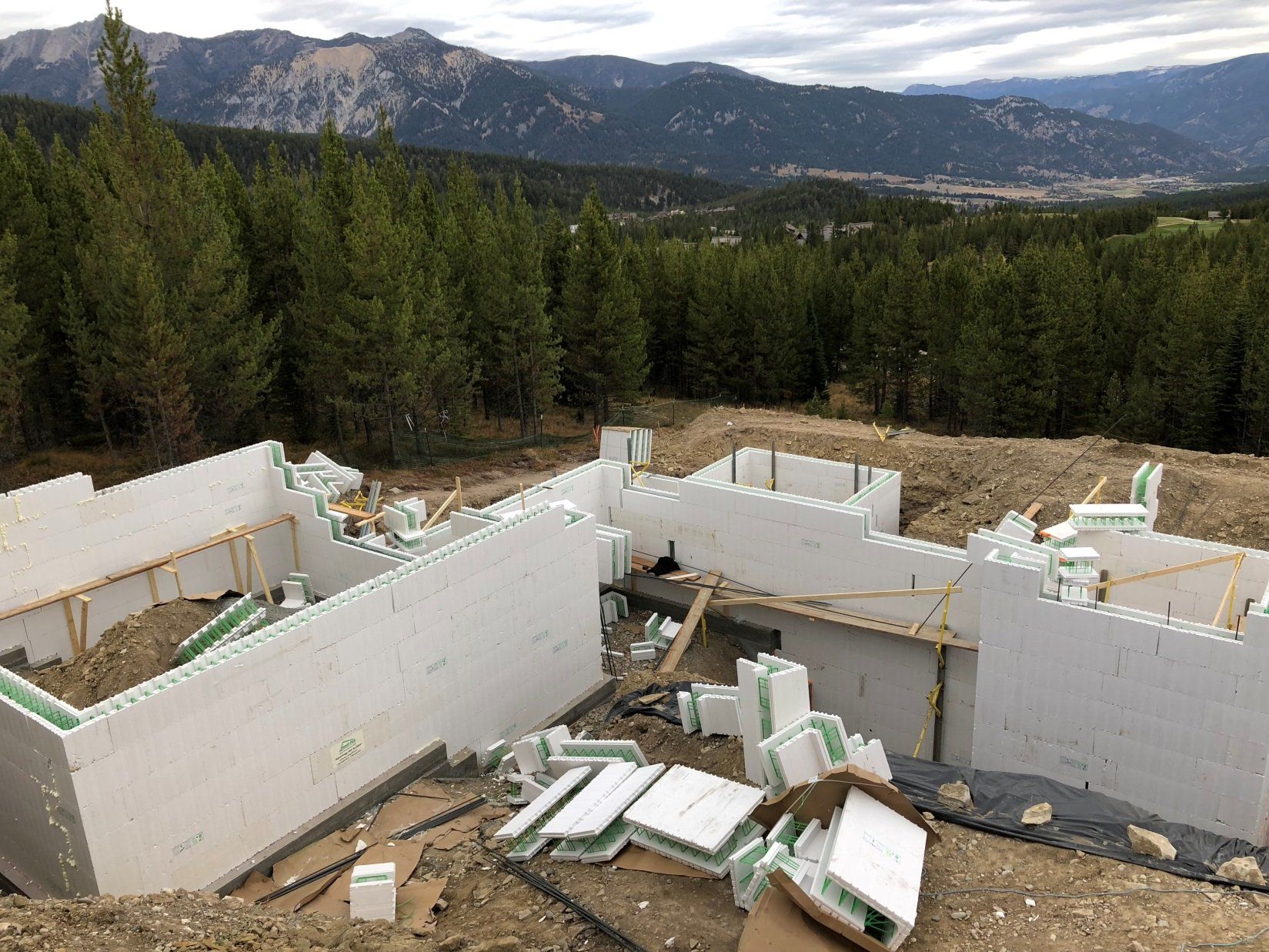
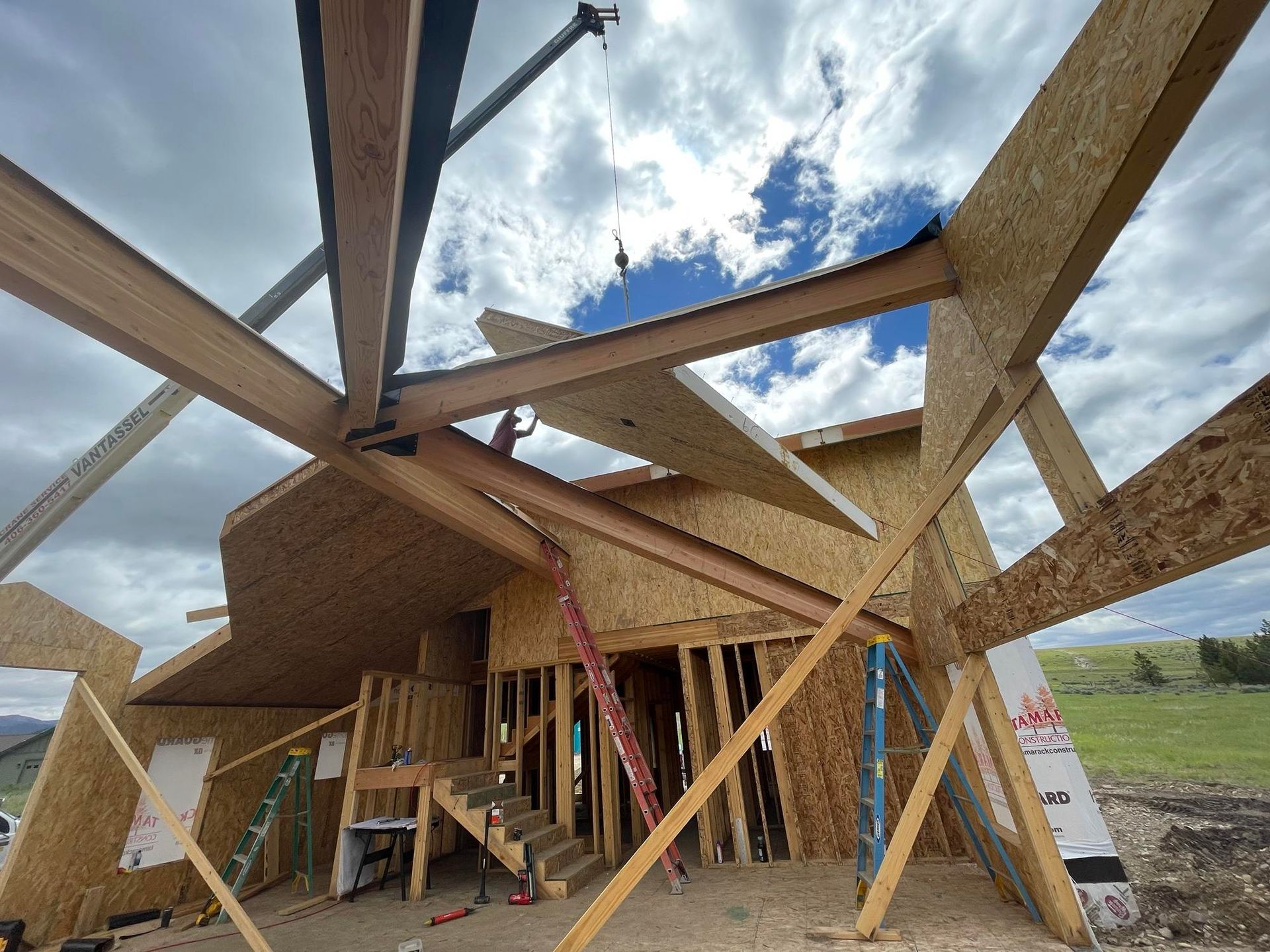
Structural Insulated Panels (SIPs) are pre-engineered building panels made of a foam core sandwiched between structural facings.
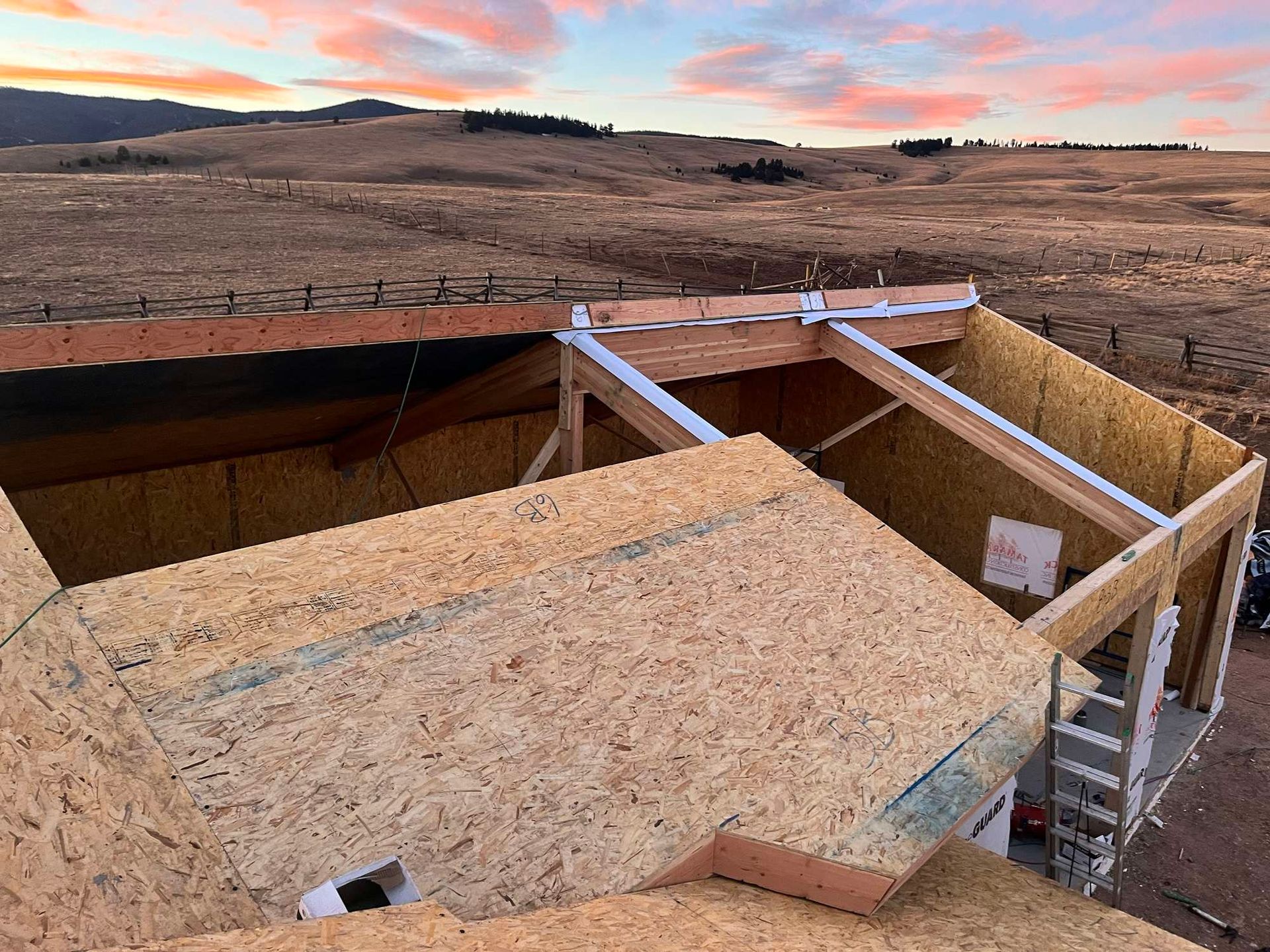
Instead of assembling dozens of individual framing pieces on-site, SIPs arrive pre-cut and are installed in large sections for walls and roofs.
This creates:
- A tighter building envelope
- Better insulation
- Faster installation
- Stronger structural performance
SIPs are becoming increasingly popular in energy-efficient home construction, especially in climates like Montana where insulation and durability matter.
SIPs vs Stick Framing: Key Differences
1. Energy Efficiency
This is where SIPs have a major advantage.
Traditional stick framing contains many thermal breaks—places where heat transfers through framing members and reduces insulation efficiency.
SIPs create a more continuous insulation barrier with fewer gaps.
That means:
- Lower heating costs
- Lower cooling costs
- Better temperature consistency
- Less air leakage
In Montana’s cold winters, this can make a major difference in long-term energy savings.
Winner: SIPs
2. Construction Speed
Stick framing takes longer because every wall and roof section is built piece by piece on-site.
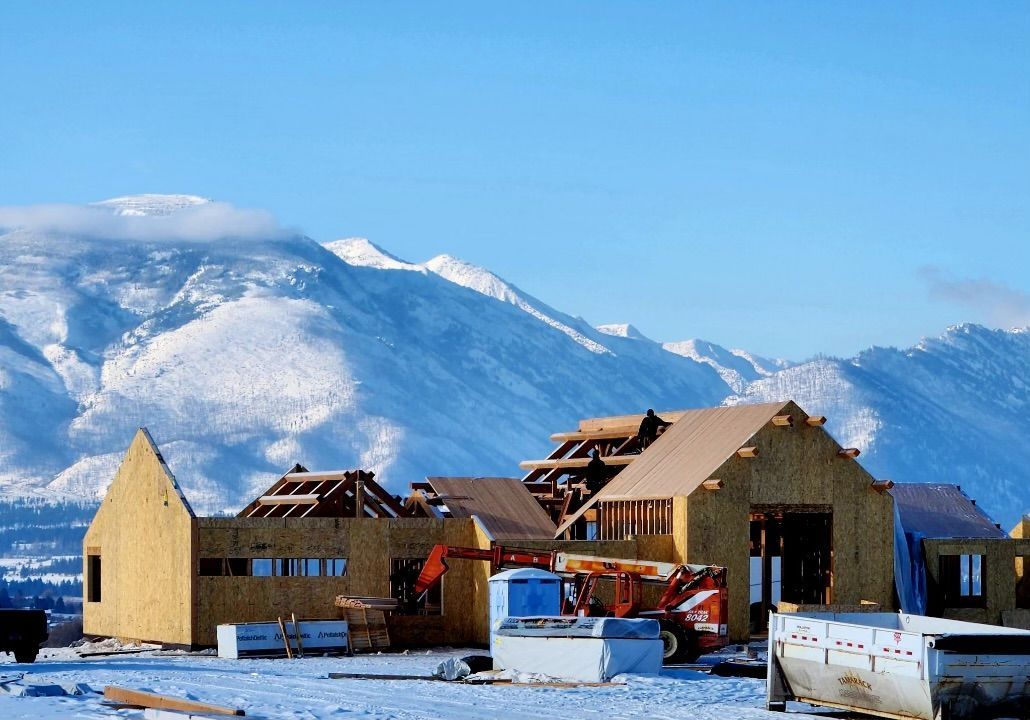
SIPs are pre-manufactured and arrive ready to install.
This often means:
- Faster framing timelines
- Faster dry-in
- Less weather exposure
- Quicker project progression
For Montana weather, getting dried in faster can be a big advantage.
Winner: SIPs
3. Structural Strength
Both systems can be strong when built properly.
But SIPs create an engineered structural shell that performs exceptionally well under heavy snow loads, wind, and harsh weather.
This makes them an excellent fit for Montana mountain homes.
At Tamarack Construction, we’ve seen SIP homes stand up incredibly well against severe weather conditions.
Winner: SIPs
4. Flexibility During Construction
Stick framing offers more flexibility for changes during the build because adjustments can be made more easily on-site.
SIPs require more upfront planning since panels are engineered ahead of time.
For clients who may want frequent changes, stick framing can offer more adaptability.
Winner: Stick Framing
5. Waste and Efficiency
Stick framing typically creates more jobsite waste because materials are cut and assembled on-site.
SIPs are precision-manufactured, which often results in:
- Less waste
- Cleaner job sites
- Better material efficiency
Winner: SIPs
Which Building Method Is Better for Montana?
When building in Montana, the climate should heavily influence your decision.
Homes here need to handle:
- Heavy snow loads
- High winds
- Freezing temperatures
- Large temperature swings
- Long heating seasons
Because of this, SIP construction often provides better long-term performance.
The tighter building envelope, superior insulation, and structural durability make SIPs one of the best building methods for Montana homes.
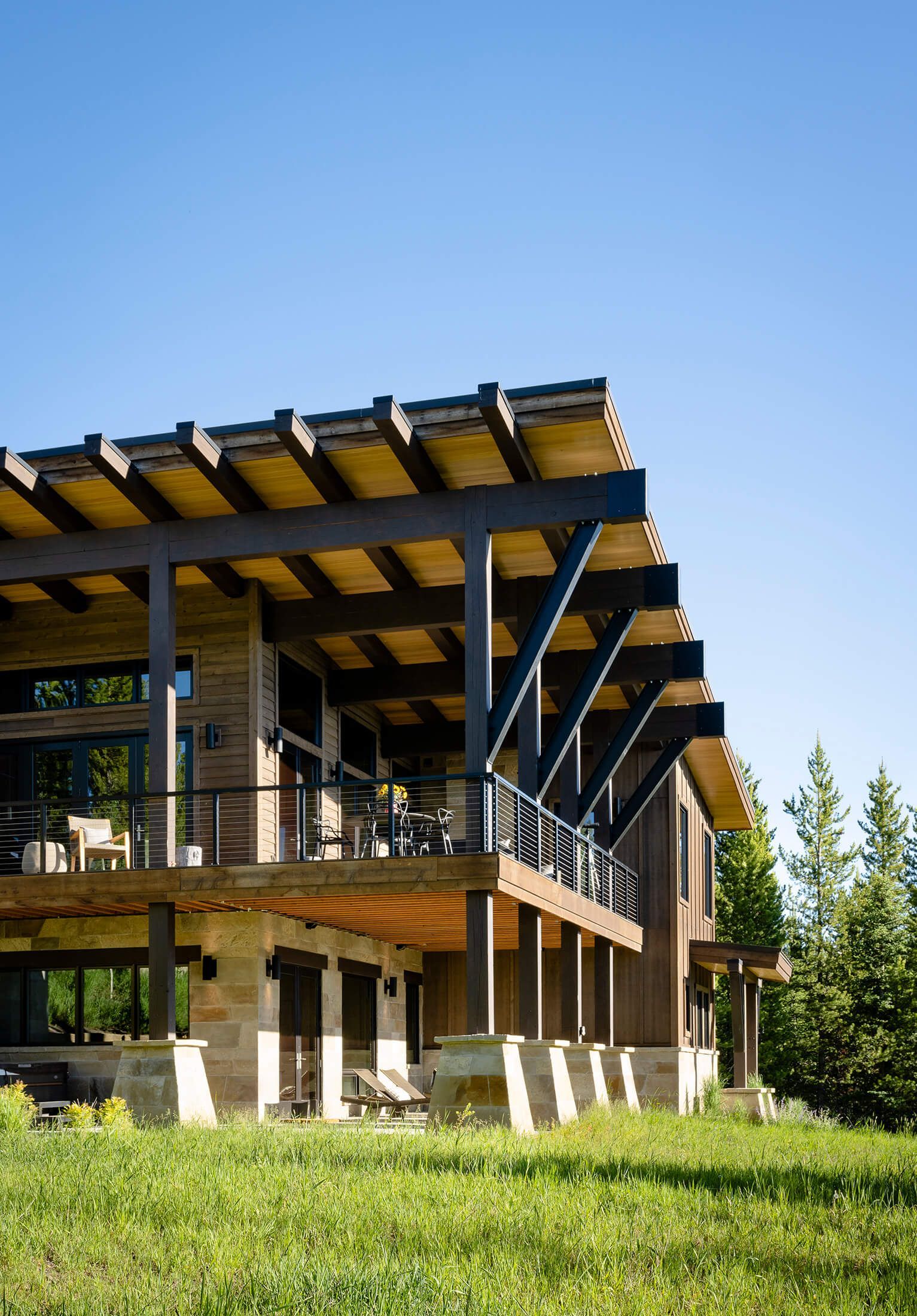
That’s why Tamarack Construction specializes in SIP construction—especially when paired with timber frame homes.
Why We Often Pair SIPs with Timber Frames
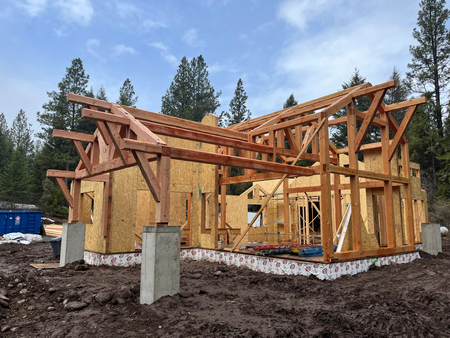
One of our specialties at Tamarack Construction is combining timber frame construction with SIPs.
This gives homeowners:
- The beauty of exposed timber craftsmanship
- Open floor plans and vaulted ceilings
- Superior insulation
- Faster build times
- Better long-term energy performance
It’s one of the most effective and beautiful building systems available today.
So, Which Is Better?
If your priorities are:
- Better energy efficiency
- Faster construction
- Stronger structural performance
- Lower long-term utility costs
- Better comfort year-round
SIPs are often the better choice.
If your priorities are:
- Maximum flexibility during construction
- Simpler traditional methods
- Lower upfront planning requirements
Stick framing may still be a good fit.
At Tamarack Construction, we help homeowners determine the best system for their project based on their goals, design, and budget.
Ready to Build Smarter?
If you’re considering a custom home, timber frame home, or high-performance build in Montana, Tamarack Construction can help you explore whether SIP construction is the right fit.
Contact us today to learn more about building stronger, more efficient homes designed for Montana living.